
The Story
After filmmaker Zach Hellmuth and his wife nearly lost their daughter due to a fetal maternal hemorrhage, they began taking therapeutic family walks outside to help her develop and cope with cerebral palsy.
These nature walks helped Hellmuth rediscover the beauty of nature — and foxes in particular, thanks to one lucky encounter. Inspired by his miraculous daughter and these resilient animals, Hellmuth and a friend set out on a journey to photograph the elusive Arctic fox and share the experience with his family.

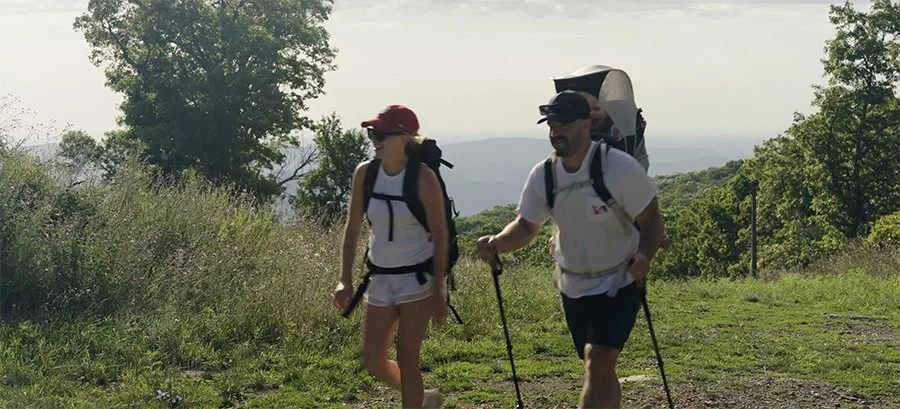
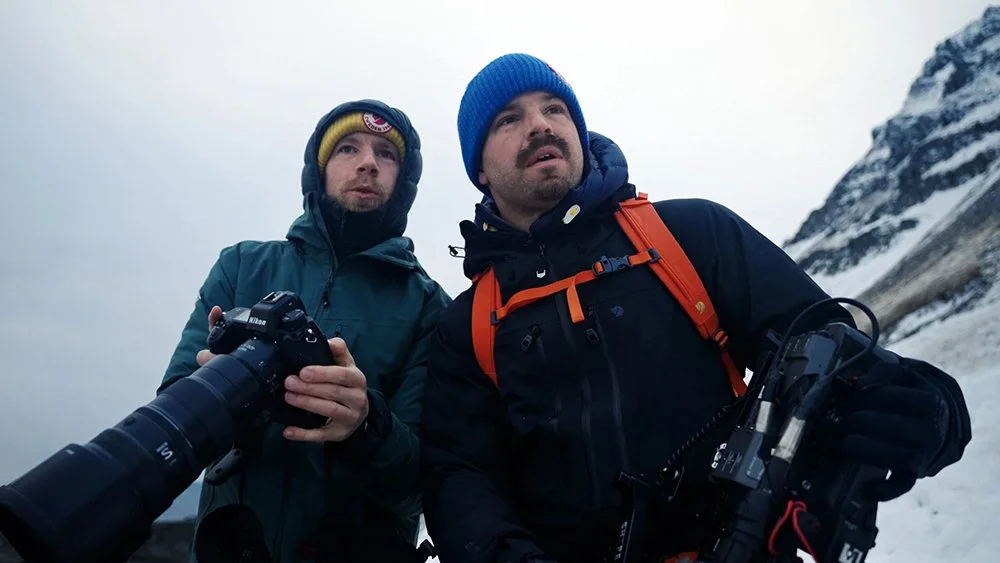
In Search of the Arctic Fox is an adventure film about passion, finding awe in the ordinary and not-so-ordinary, and the healing power of family and nature.

Margaret and Zach on a nature walk
Neuroplasticity in Nature
To support Margaret’s brain development, Leslie and Zach exposed her to as much as possible by taking her outside to explore nature to help form new neural connections.
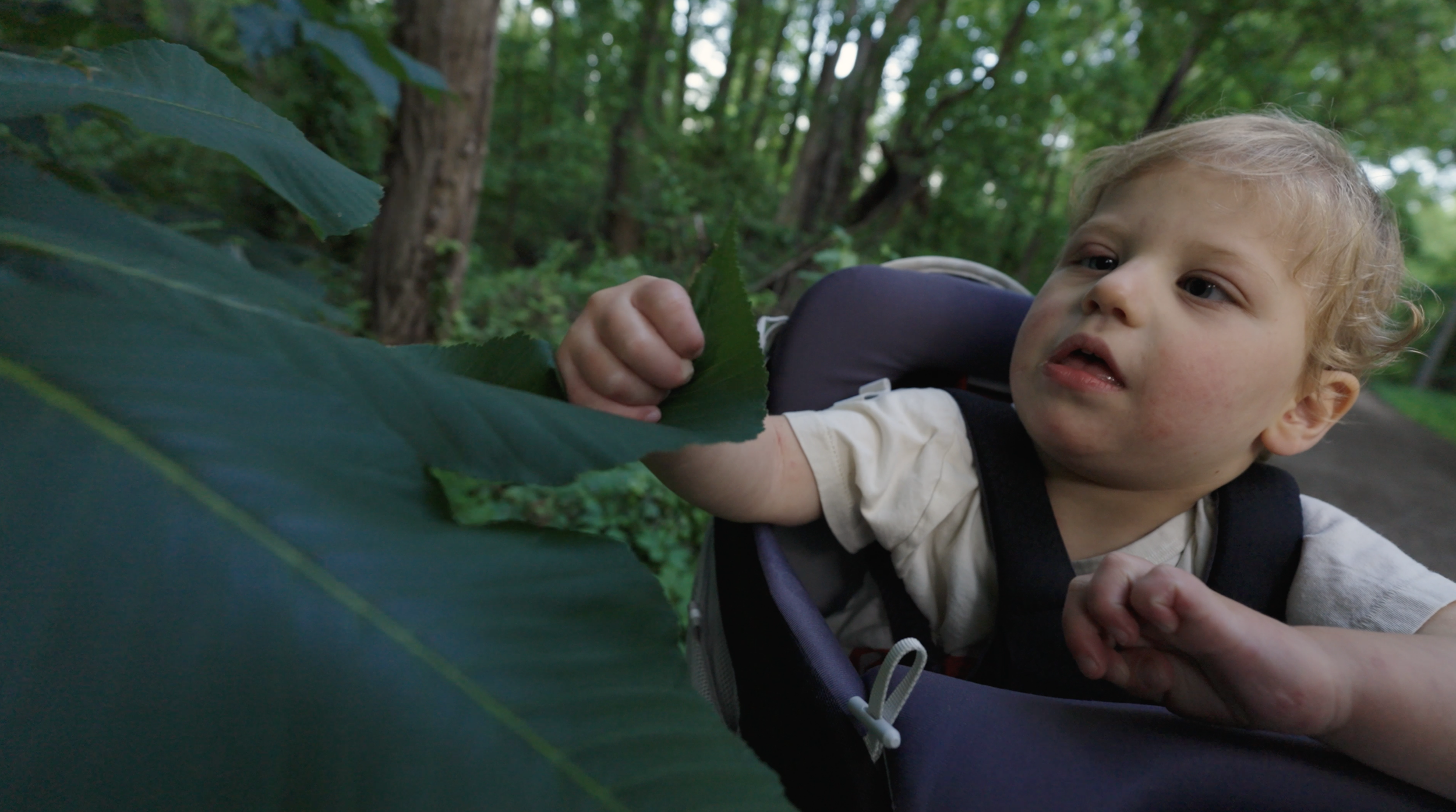
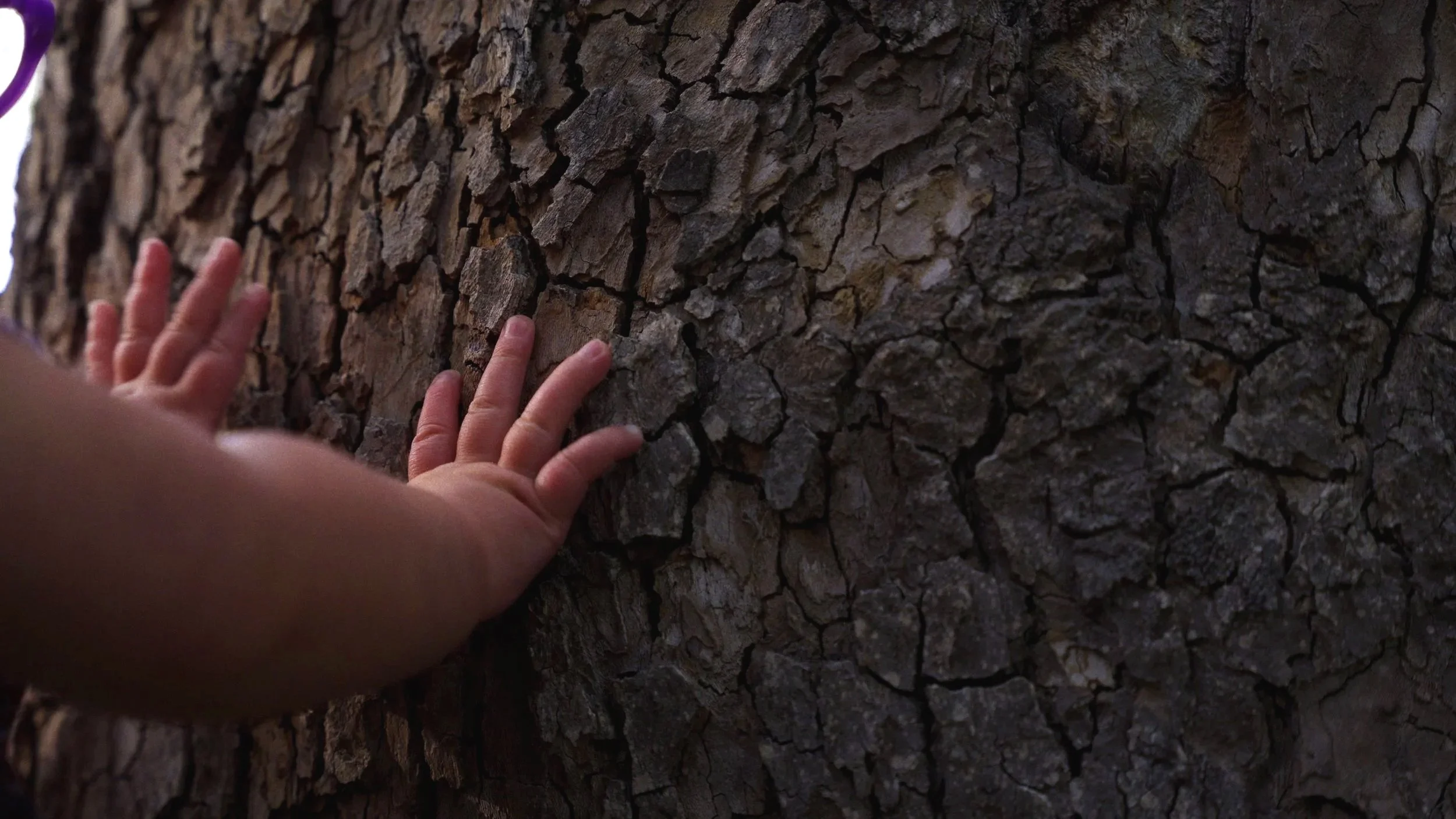

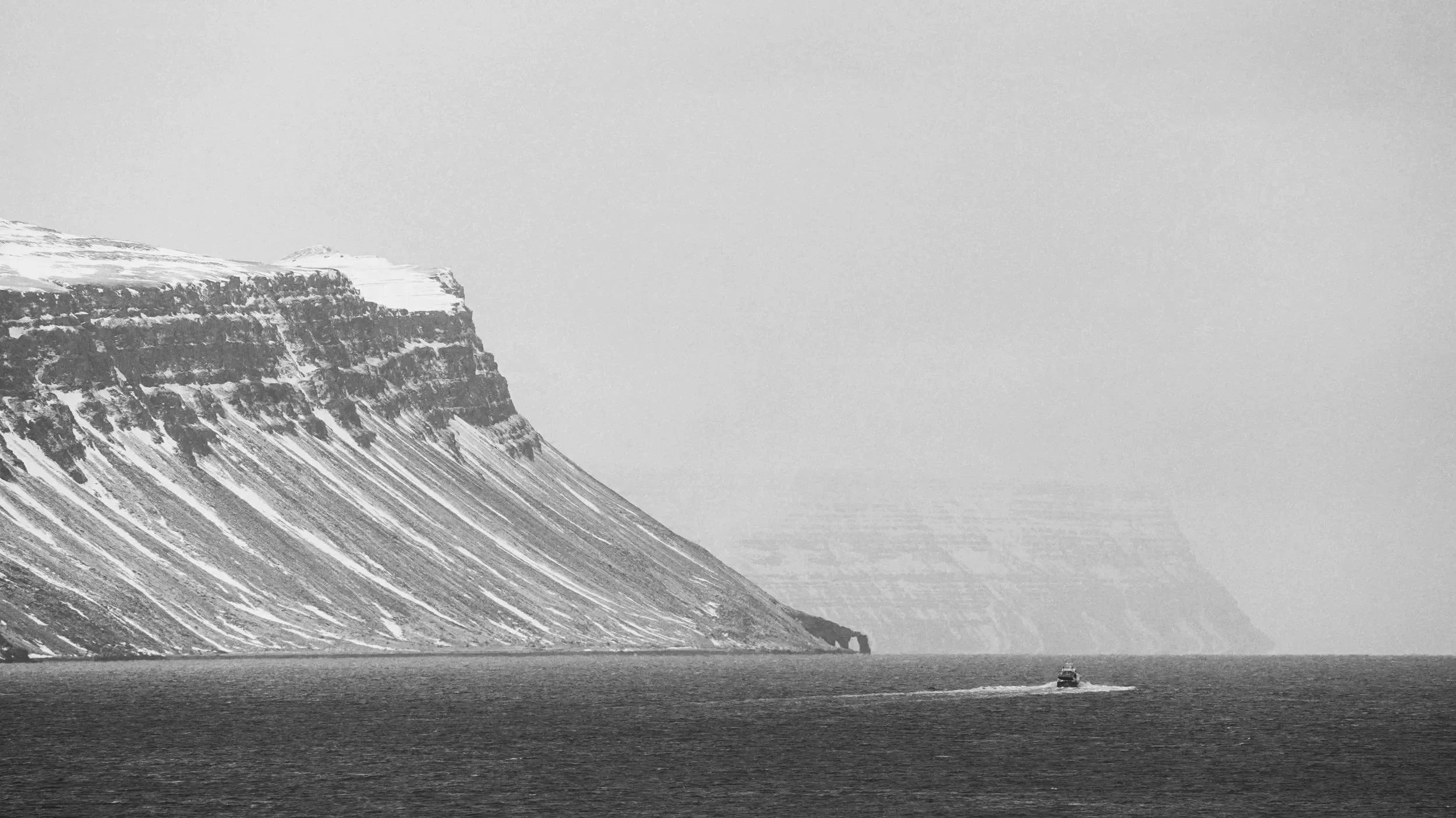
An expedition to Iceland’s remote Westfjords
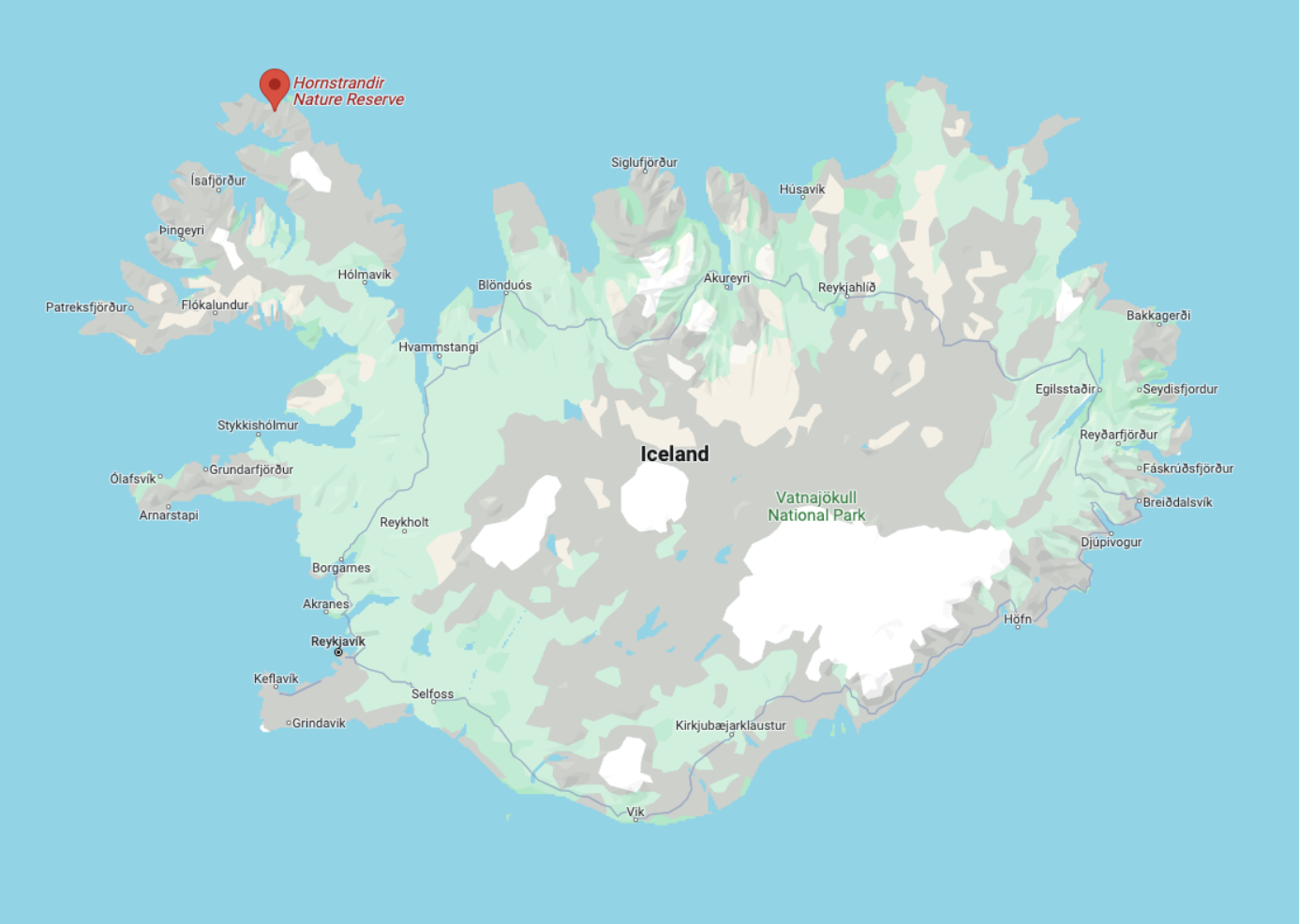
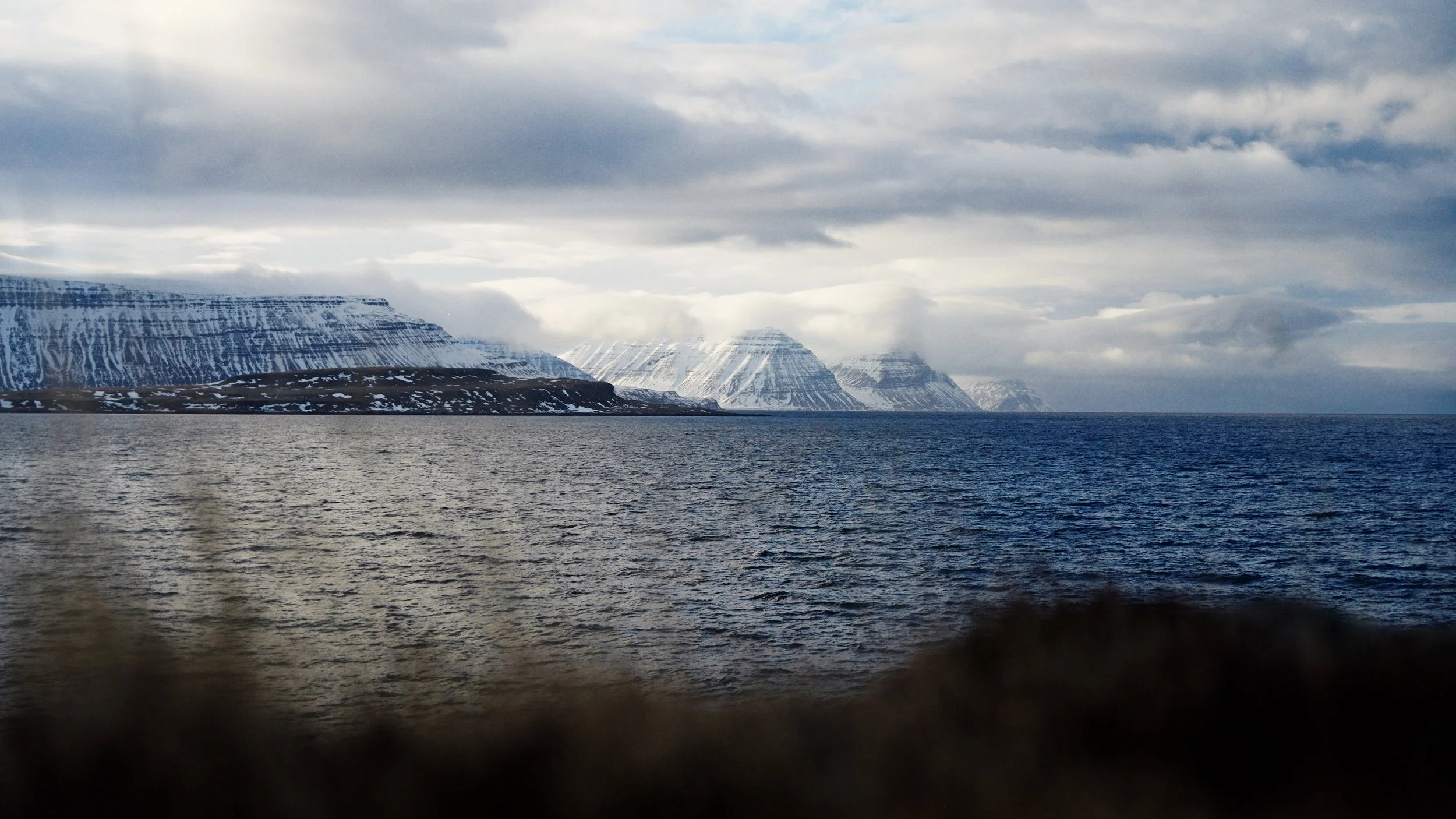
Part of the documentary film takes place in Hornstrandir Nature Reserve, which is a remote area located in the Westfjords, in the north-west of Iceland. Perched on the edge of the Arctic Circle and fully exposed, this region is notorious for its fierce storms. This nature reserve is one of Iceland's most important strongholds of the protected Arctic fox and other wildlife.
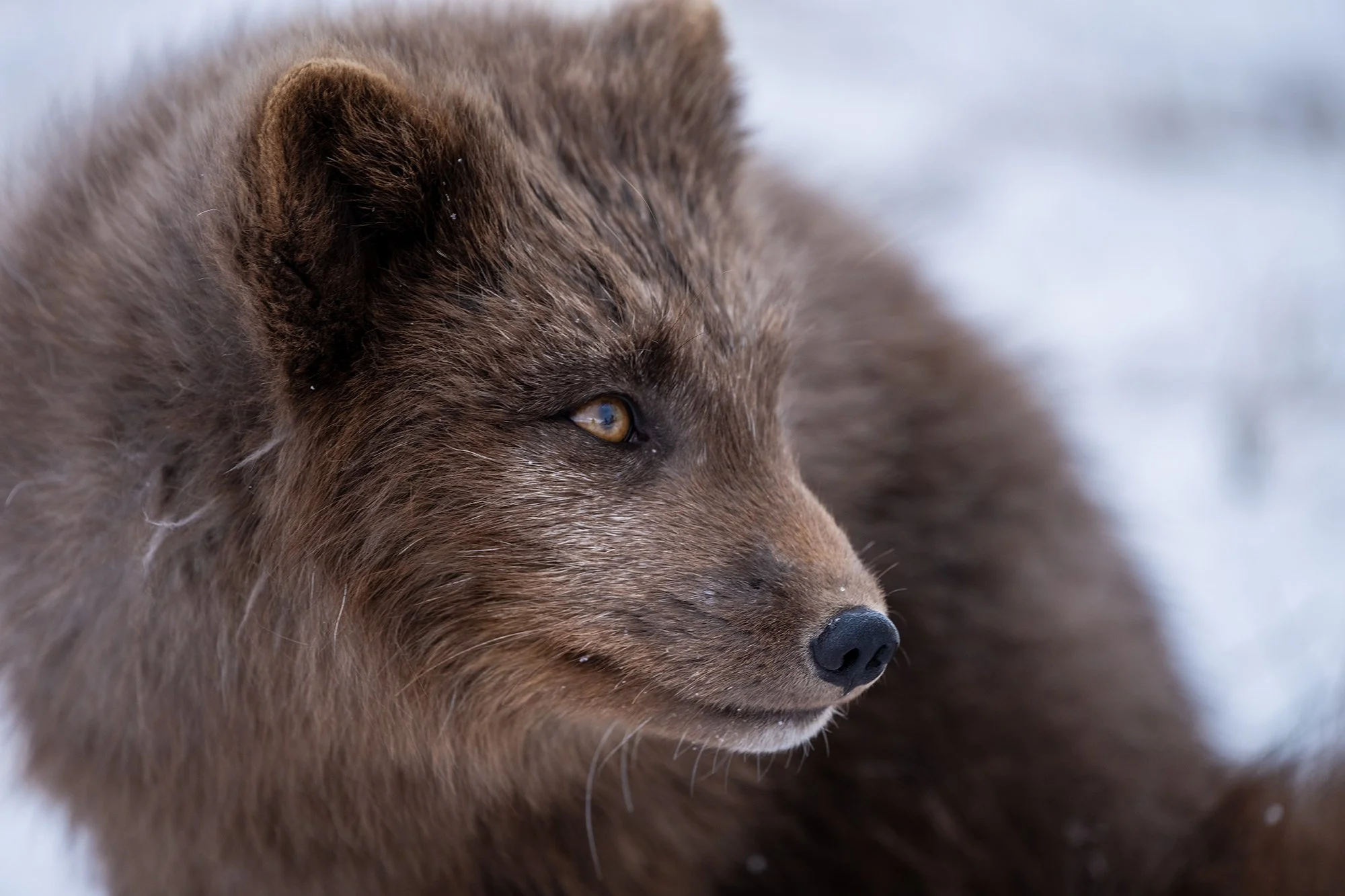
Arctic foxes act as ecosystem engineers by helping shape the tundra by creating nutrient-rich areas through their long-term use of dens over many generations.
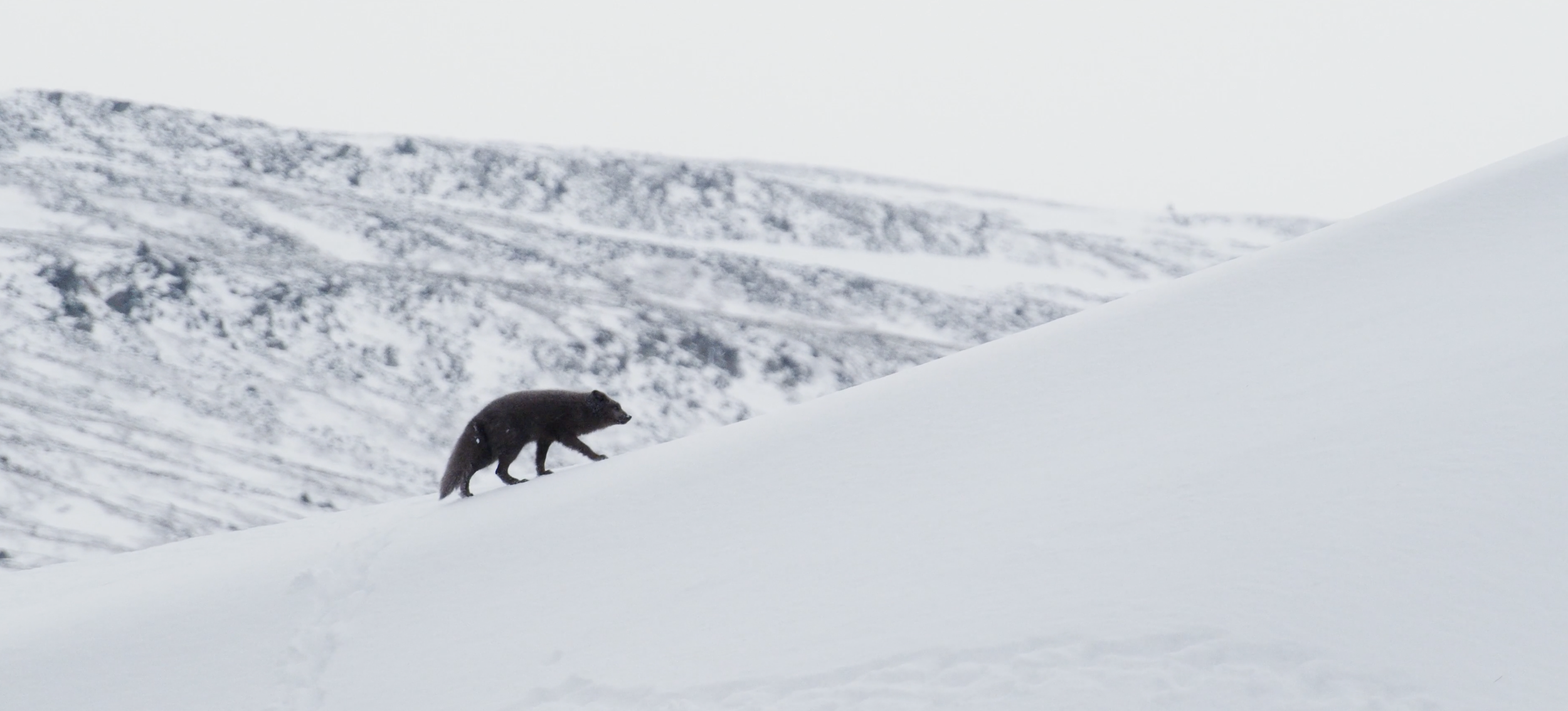
The Arctic fox (Vulpes lagopus), also called the white fox, is a small fox species native to the Arctic regions of the Northern Hemisphere. With thick fur that changes from white in winter to brown in summer for camouflage, they are relentless, often surviving extreme temperatures as low as -58°F. They are skilled hunters and climbers, and survive on seabirds, eggs, fish, and whatever the harsh Arctic environment provides. Some populations of Arctic foxes in Fennoscandia are critically endangered, where only a few hundred individuals remain in the wild.
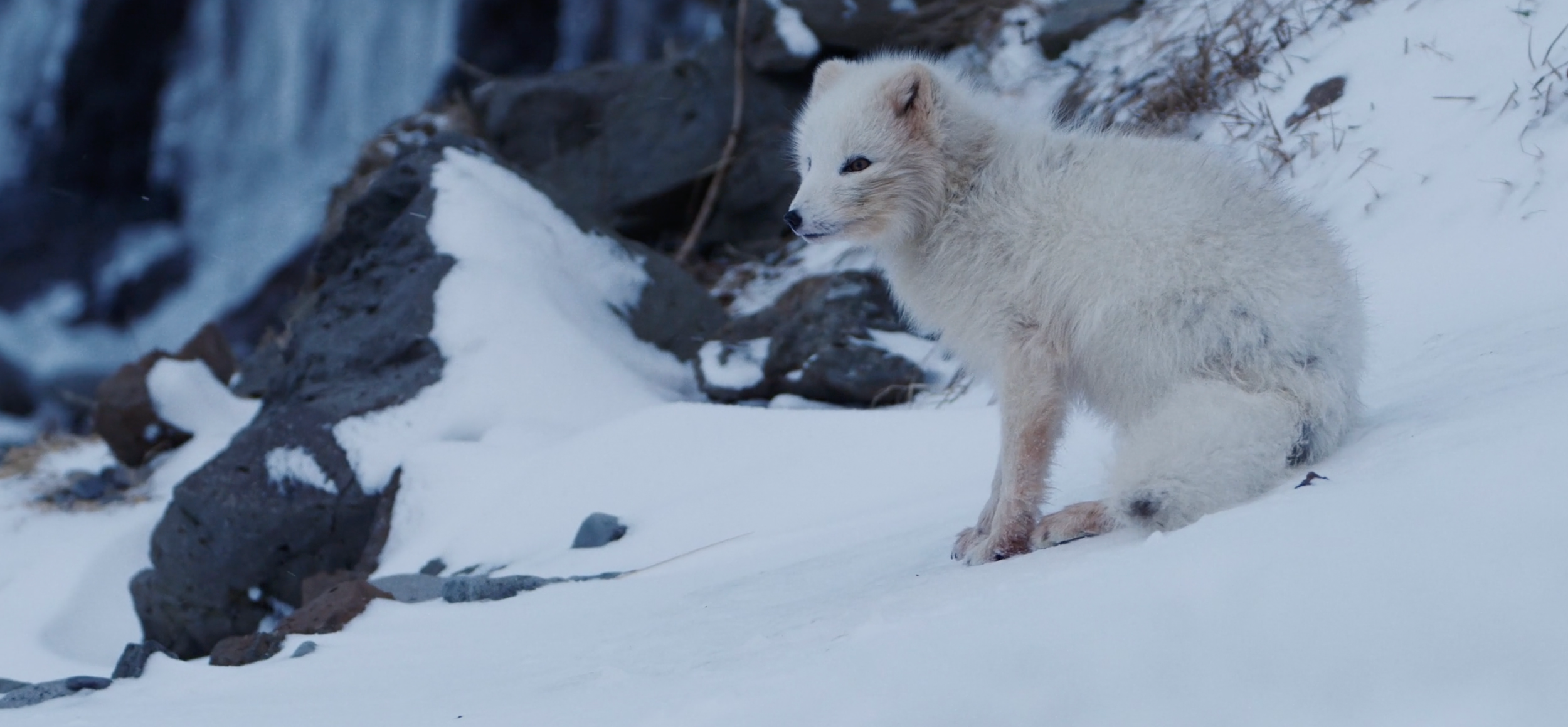
Arctic foxes are designated by The International Union for Conservation of Nature (IUCN) as Climate Change Flagship Species, meaning they are likely to be affected by climate change in the coming decades.
Beyond their vulnerability, they play a critical ecological role as ecosystem engineers. By concentrating nutrients through their waste and discarded prey remains around their dens, Arctic foxes enrich the surrounding soil, which in turn boosts plant growth and overall ecosystem productivity.
Learn more about why Arctic foxes are expected to be strongly impacted by climate change: https://iucn.org/sites/default/files/import/downloads/species_and_climate_change_1.pdf
More information on their role as ecosystem engineers: https://www.nature.com/articles/srep24020
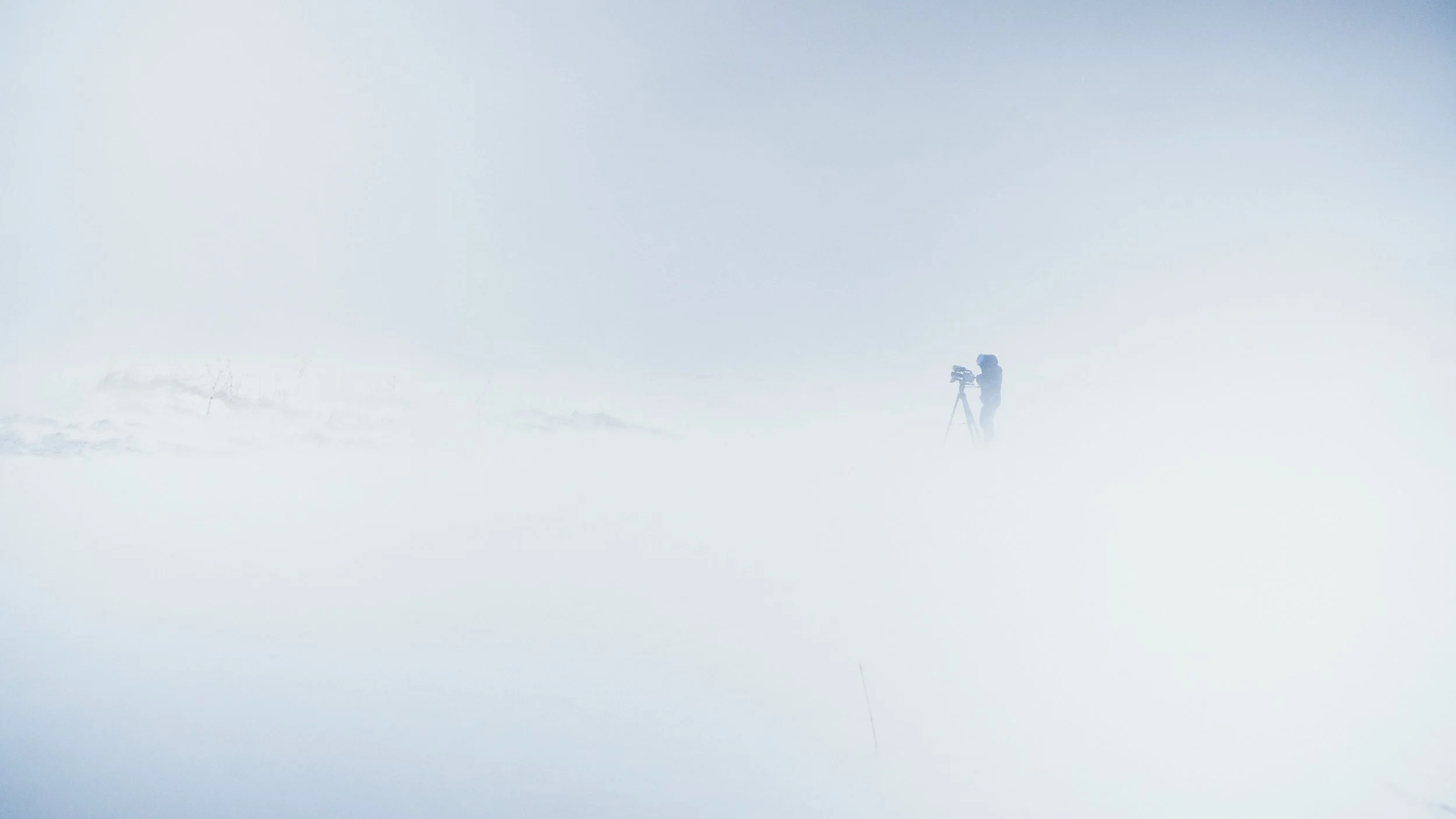
“IT WAS ONE OF THE GNARLIEST STORMS I’VE EVER BEEN IN”
-Zach Hellmuth, Director
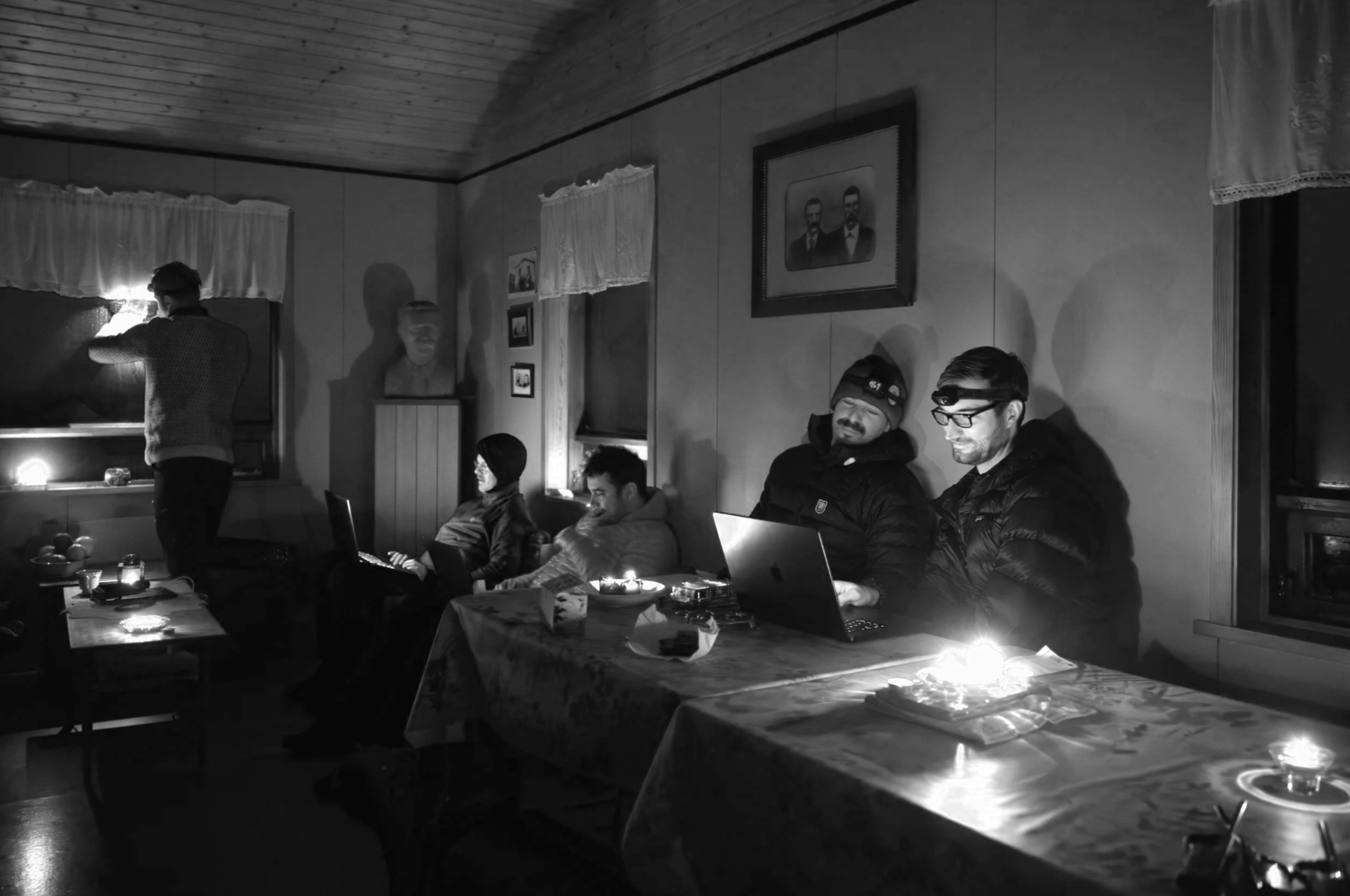
Offloading footage at night
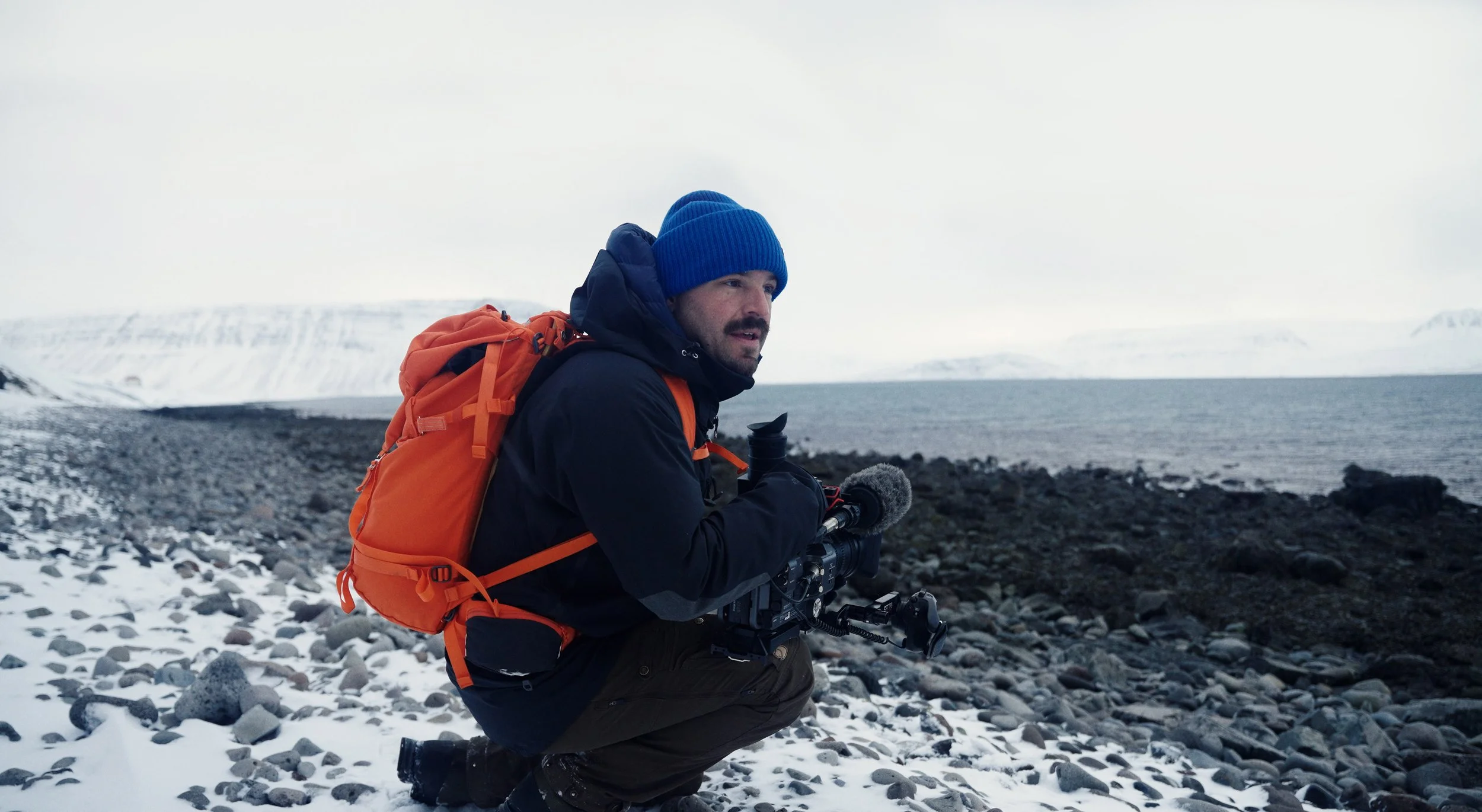
Filming on location in Hornstandir Nature Reserve
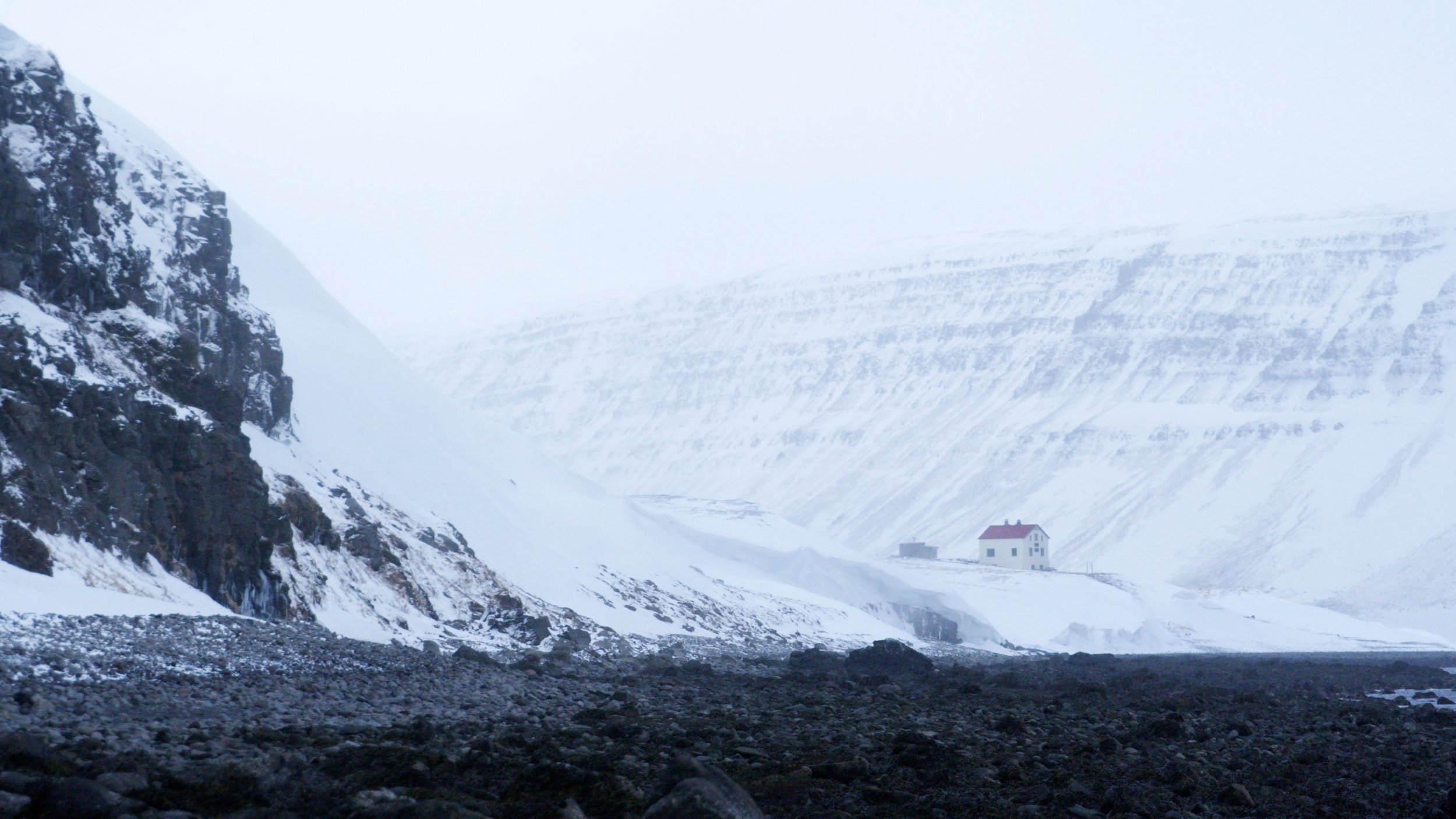
Kvíar Lodge